

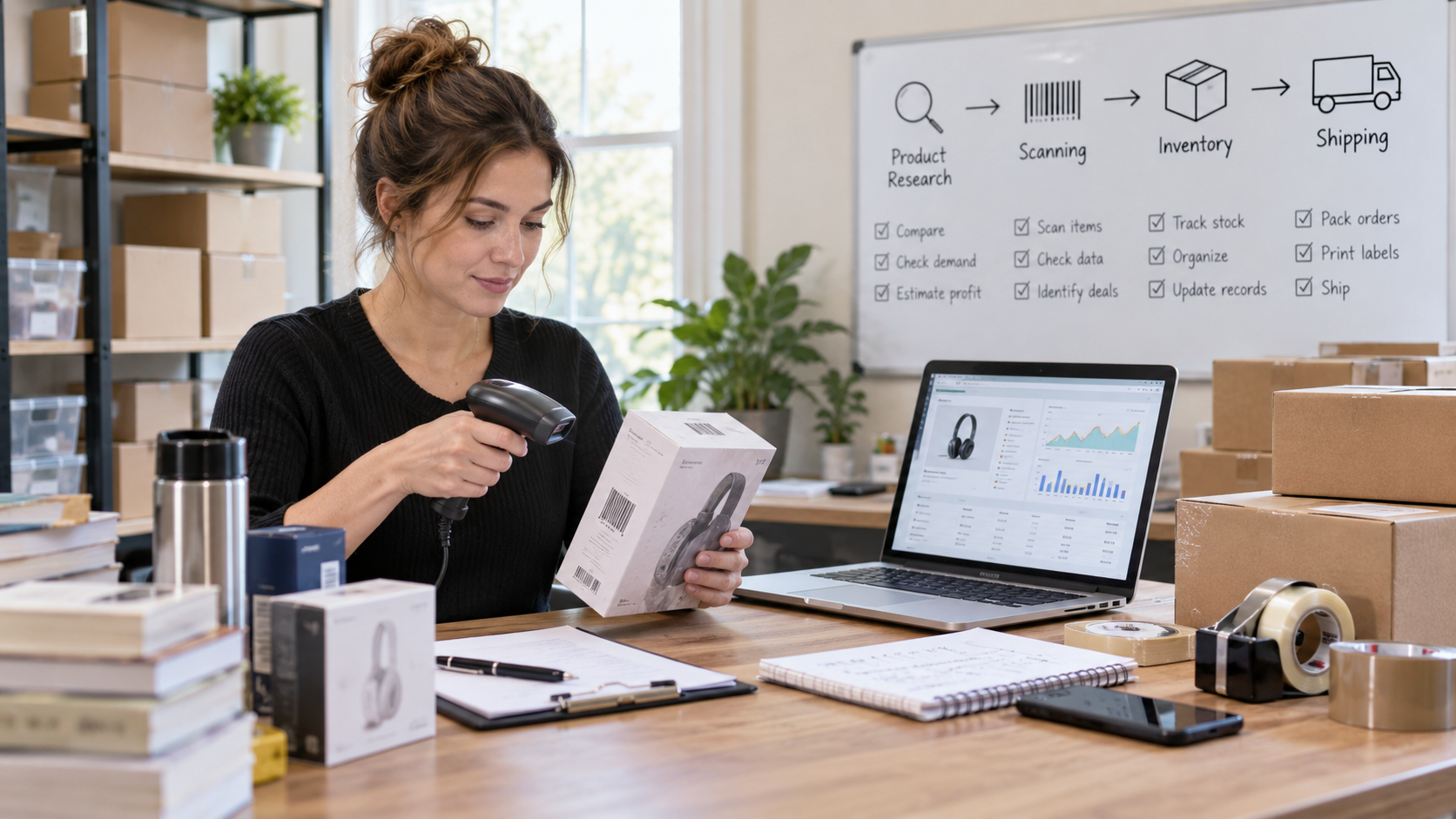
Marketplace flipping means buying an item at a reasonable price and reselling it on an online marketplace. The item might be furniture, clothing, electronics, collectibles, tools, or something else you can evaluate accurately.
Pick a Category You Can Learn
Beginners often do better when they start with products they already understand. Familiarity helps you notice condition problems, missing parts, counterfeit risks, and prices that are unusually high or low.
Study Sold Comparisons
Search completed sales, not just active listings. Compare condition, brand, model, size, included accessories, and shipping. A seller’s asking price is a hope; a completed sale is stronger evidence.
Inspect Before Paying
Ask clear questions and check the item in person when possible. Test electronics, inspect seams and screens, look for odors or water damage, and confirm that important parts are included.
Make Honest Listings
Use bright photos from several angles. Describe flaws plainly and include measurements when they matter. Accurate listings reduce returns and help buyers trust you.
Include Every Selling Cost
Account for marketplace fees, payment processing, shipping materials, shipping labels, travel for pickups, cleaning, repairs, and your time. A purchase is not attractive just because the resale price is higher.
Protect Yourself During Transactions
For local sales, meet in a safe public place and follow platform safety guidance. For shipped orders, keep tracking and package items carefully. Be cautious with unusual payment requests or pressure to move communication off-platform.
Run a Small Experiment
Start with a handful of items. Measure days to sell, actual net profit, questions from buyers, and the work involved. This information is more useful than copying someone else’s highlight reel.
Build a Repeatable Process
Once you know which categories fit your budget and schedule, create a simple routine for sourcing, cleaning, photographing, listing, packing, and reviewing results. Compare this model with retail arbitrage before expanding.
Track time, expenses, and profit to compare the real results of your first test.
Compare online arbitrage if you prefer researching products from home.
Browse the free creator resource library for related articles and video lessons, and choose one step to try next.